Introduction
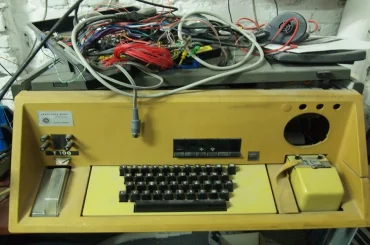
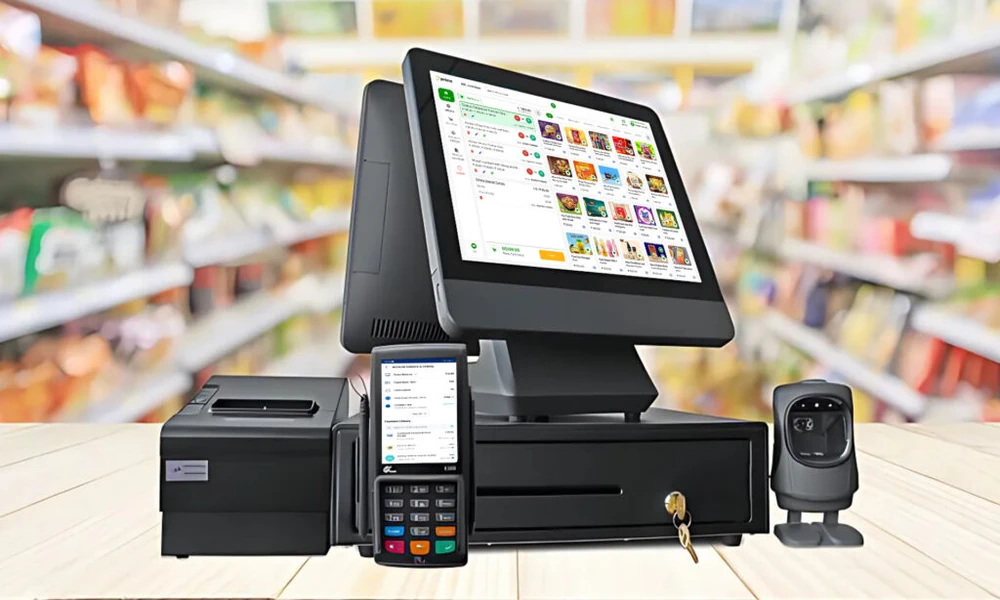
In today’s business world, Point-of-Sale (POS) technology is a crucial element. A POS system is used when a customer pays for a product or service. In earlier days, businesses mostly relied on cash registers to make sales records. In today’s world, POS systems can do a lot more than that. They can accept various payment methods, handle inventory, track sales details, and educate customers on their needs, serving a variety of functions. This helps in making business activities quicker and easier.
As businesses adopt more digital tools, point-of-sale technology has become an important part of managing everyday commerce. Modern systems can connect transactions with inventory records, customer information, and sales reporting, allowing businesses to keep key operations coordinated in one place. This connected approach can reduce manual work, improve visibility into business activity, and create a smoother experience for both employees and customers.
Faster and Easier Payments
One of its significant advantages is that it is easier to make payments with it. The customers will pay through cash, cards, mobile phones, and other digital payment systems. Modern POS can handle these payments at a quick pace, thereby minimising the time spent at the checkout. This is particularly handy for large retailers, restaurants and other companies that have to deal with numerous clients in a brief moment.
Better Stock Management
Businesses can also monitor their inventory with the help of POS systems. The system can automatically adjust the stock level whenever the product is sold. This allows business owners to be aware of which products are at their disposal, and which ones need to be restocked. Effective inventory control can minimise the risk of stock-outs as well as the holding of excess inventory.
Useful Sales Information
Another crucial function of POS technology is that they gather sales information. Businesses are able to determine what products are popular, when products are popular, and how much is being sold. This data can assist in decision-making about prices, promotions, and inventories for owners. Rather than relying exclusively on educated guesses, companies can base their activities on real sales data.
Improved Customer Experience
POS tech can also deliver a better customer experience. To cut down on customer wait time, bills need to be processed quickly. Some systems can hold details of what a customer purchased, have their points added up, or keep their information that can be used to give discounts and rewards to the customer. These features can help to increase customer loyalty and repeat business.
Developing Online and Offline Commerce
Today, commerce is not confined to physical stores. Numerous companies go on the web, use mobile apps, and even use social media to sell. It can integrate disparate sales methods and offer businesses a single place to handle orders and payments. This helps to ensure a unified user journey across both online and in-store channels.
Conclusion
Overall, POS technology plays an important role in modern commerce. It speeds up payments, helps with stock control, offers valuable sales data, and aids with customer service. With the rising use of physical and digital platforms, POS systems can contribute to running daily operations and provide better efficiency. From small to large, POS technology is proving valuable to businesses in terms of organisation, competitiveness, and meeting evolving customer needs.