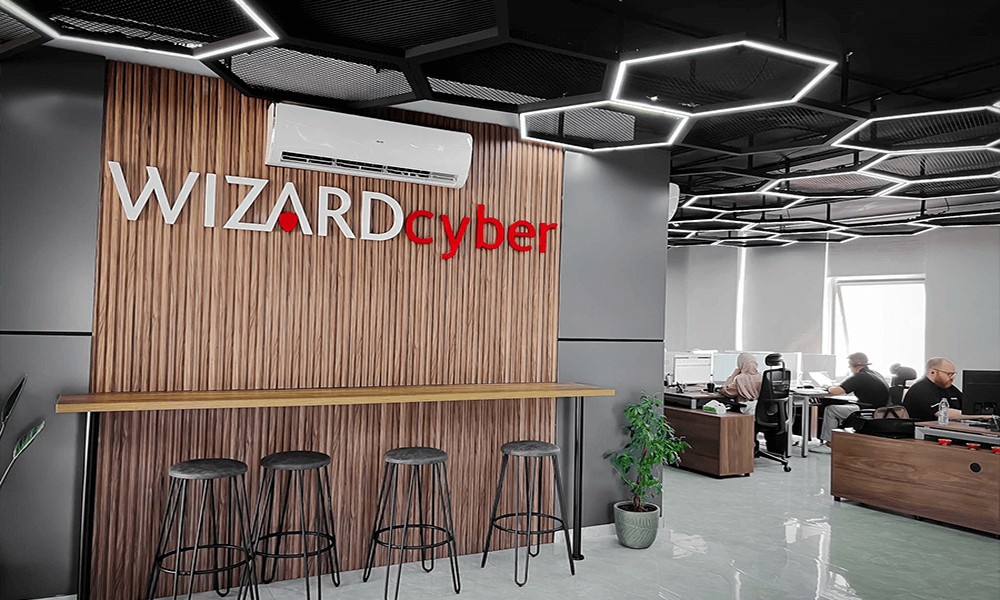
Most businesses already know why Microsoft Sentinel matters. The real question is whether your security team can manage it properly every hour of the day without missing threats, burning time on false alerts, or creating gaps through weak configuration.
I’ve reviewed many Microsoft-focused security providers over the years, and one thing stays consistent. The strongest providers combine technology, analyst experience, threat intelligence, and response support into one operational process. That is why many organizations looking for long-term protection start evaluating services like managed microsoft sentinel instead of relying on internal monitoring alone.
If you are comparing providers, I suggest looking past basic monitoring claims. Focus on response quality, Microsoft expertise, SOC maturity, visibility across environments, and whether the provider can support your business as threats change.
Why Microsoft Sentinel Needs Active Management
Microsoft Sentinel gives organizations centralized visibility across endpoints, cloud services, identities, firewalls, applications, and networks. That visibility matters because attacks rarely stay in one place.
The challenge is not collecting logs. The challenge is knowing what matters and responding fast.
Many companies deploy Microsoft Sentinel but struggle with:
- Alert overload
- Weak detection tuning
- Missed incidents
- Poor automation
- Slow investigations
- Limited analyst coverage
- Gaps after business hours
I’ve seen organizations assume the platform alone solves the problem. It does not. Sentinel works best when experienced analysts continuously monitor, tune, investigate, and optimize the environment.
That is where managed services become valuable.
What Strong Managed Microsoft Sentinel Services Should Include
A provider should do much more than watch dashboards.
You should expect:
- 24x7x365 monitoring
- Threat hunting
- Incident investigation
- Active response support
- Detection rule optimization
- Threat intelligence integration
- Reporting and visibility
- Security reviews
- Automation support
- Microsoft security expertise
A good provider also understands hybrid environments. Most businesses now operate across cloud systems, remote users, endpoints, SaaS platforms, and on-premises infrastructure. Security monitoring has to connect all of it.
Why Wizard Cyber Stands Out
Wizard Cyber focuses heavily on Microsoft security technologies, which matters if your business already depends on the Microsoft ecosystem.
They operate as a Microsoft-focused managed security provider with services built around:
- Microsoft Sentinel
- Microsoft Defender
- Microsoft Entra
- Microsoft Purview
- Microsoft Priva
- Microsoft Intune
- Security Copilot
That specialization helps reduce configuration mistakes and operational blind spots.
One thing I look for in any security provider is whether they can support organizations after deployment. Many companies handle implementation well but fail during day-to-day operations. Wizard Cyber appears structured around continuous operational support through their global Security Operations Centre.
Their managed Microsoft Sentinel service includes real-time monitoring, threat hunting, incident response, dashboards, reporting, and platform optimization. They also support co-managed environments for companies that want internal control while gaining external expertise.
That flexibility matters because not every organization wants to outsource everything.
The Importance of 24×7 Security Operations
Threats do not follow office hours.
A ransomware attack at 2 AM creates the same damage as one during the workday. That is why round-the-clock coverage matters.
Wizard Cyber provides 24x7x365 monitoring through analyst teams across multiple regions. Their SOC structure includes Tier 1, Tier 2, and Tier 3 analysts handling different levels of investigation and escalation.
That structure helps with:
- Faster triage
- Better prioritization
- Deeper investigations
- Reduced response delays
- Lower dwell time
I think many companies underestimate how difficult it is to maintain that internally. Hiring, staffing, retention, scheduling, and analyst burnout create real operational pressure for in-house teams.
Using a managed provider can reduce those issues while giving your internal IT team room to focus on broader business priorities.
Why Microsoft-Focused Expertise Matters
Some security providers try to support every platform equally. That often creates shallow expertise.
Microsoft environments require specific knowledge across identity management, endpoint security, compliance, cloud infrastructure, and SIEM operations.
Wizard Cyber’s Microsoft alignment is one of their strongest advantages.
They hold Microsoft Solutions Partner status and Azure Expert MSP recognition. That signals a deeper operational focus on Microsoft technologies instead of general security support spread across unrelated systems.
If your organization already uses Microsoft 365, Azure, Defender, or Entra, choosing a provider with direct Microsoft specialization usually leads to smoother integration and stronger operational alignment.
The Value of MXDR Alongside Sentinel
Microsoft Sentinel becomes stronger when paired with broader detection and response capabilities.
Wizard Cyber also offers MXDR for Microsoft, which combines:
- Microsoft Sentinel
- Microsoft Defender
- Microsoft Entra
- Automation
- Threat intelligence
- AI-driven analytics
- Human analyst oversight
This approach gives wider visibility across identities, endpoints, cloud applications, and infrastructure.
I recommend businesses think about detection and response as one connected process instead of separate tools.
Strong MXDR services help reduce:
- Alert fatigue
- Missed incidents
- Investigation delays
- Visibility gaps
- Business disruption
That broader operational visibility becomes critical as organizations expand cloud usage and remote work environments.
What to Ask Before Choosing a Provider
Before signing with any managed Microsoft Sentinel provider, ask direct operational questions.
For example:
Many providers sound similar at first. Operational depth is what separates them.
Final Thoughts
Managed Microsoft Sentinel services work best when the provider combines Microsoft expertise, operational maturity, continuous monitoring, and active threat response into one structured process.
Wizard Cyber stands out because they focus heavily on Microsoft security operations instead of offering broad generic support. Their combination of Microsoft Sentinel management, MXDR services, global SOC operations, consultancy services, and their CYBERSHIELD platform gives organizations stronger visibility and faster response support across cloud and hybrid environments.
If your organization already relies on Microsoft security technologies, choosing a provider with deep Microsoft specialization usually leads to better long-term security outcomes and fewer operational gaps.