Manual screwdriving is one of the most deceptively complex tasks on a modern assembly line. To a casual observer, tightening a screw seems simple. For a production manager balancing throughput and quality metrics, however, manual fastening represents a constant source of process variability. Human operators tire, experience lapses in concentration, and possess varying levels of physical strength. These factors introduce subtle differences in torque application, cross-threading risks, and depth inconsistencies.
When a single product requires dozens of fastened joints, a minor deviation in one screw can compromise the integrity of the entire assembly. For small and medium-sized enterprises (SMEs) looking to scale, replacing manual hand tools with intelligent automation is no longer just a strategy for speed; it is an essential step toward achieving predictable manufacturing outcomes.
The Cost of Human Variability in Fastening
Hand-held screwdriving tools, even pneumatic or electric ones with basic clutch mechanisms, rely heavily on operator technique. If an operator holds a tool at a slight angle, the screw can easily cross-thread, damaging the workpiece or leaving the fastener proud. Furthermore, detecting a stripped thread or an incomplete insertion depth requires visual inspection or tactile feedback that humans occasionally miss during repetitive, high-volume shifts.
These micro-errors accumulate quickly. They manifest as scrapped parts, expensive rework cycles, or worse, field failures that damage brand reputation. Beyond quality control issues, manual screwdriving is a notorious contributor to repetitive strain injuries (RSIs) among assembly workers. Managing absenteeism and shifting personnel to cover ergonomics-related gaps further destabilizes production schedules.
Precision Control Mechanisms in Automated Systems
Automated screwdriving systems remove human physical limitations from the equation. They utilize precise electric motors combined with advanced software algorithms to govern the exact dynamics of the fastening process. Rather than relying on a mechanical clutch that wears out over time, modern automated tools monitor torque in real time, ensuring that each screw reaches its exact specified tension.
This control extends to angle monitoring and depth detection. By analyzing the relationship between the rotational angle of the screw and the torque applied, an automated system can verify if a screw has seated correctly. If a screw encounters resistance too early-a classic sign of cross-threading-the system instantly halts the operation, alerts the operator, and logs the error. This immediate feedback loop prevents defective products from moving further down the line.
Streamlining Small-Batch Production and Integration
Historically, automation was reserved for dedicated, high-volume production lines where a machine performed a single task for years. Today, process engineers face a different reality characterized by shorter product lifecycles and high-mix, low-volume production. Implementing automation in these environments requires tooling that can adapt quickly without requiring extensive custom programming or dedicated engineering teams.
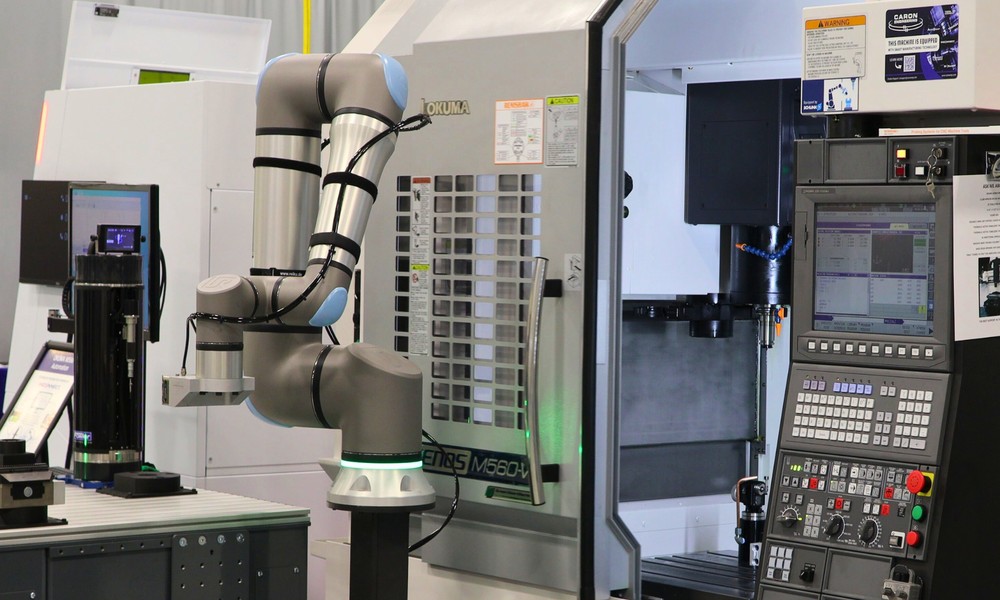
Modern collaborative applications excel in these dynamic environments due to their ease of deployment. An engineer can configure parameters like torque limits, thread pitch, and feed speed directly through a graphical user interface rather than writing complex code. For teams evaluating specific hardware solutions to handle varied fastening tasks, selecting an adaptable, smart tool like the Onrobot screwdriver simplifies setup because the system handles both screw feeding and precise torque control within a unified, collaborative framework. This flexibility allows a maintenance or automation manager to redeploy the system from one product line to another in a matter of hours, maintaining high utilization rates even in smaller facilities.
Enhancing Traceability and Quality Assurance
In sectors like electronics manufacturing, automotive components, and medical devices, compliance and quality tracking are mandatory. If a product fails in the field, manufacturers must prove that every component met engineering specifications during assembly. Manual processes offer zero data retention; there is no way to verify if a specific operator tightened a specific screw to the correct specification last Tuesday.
Automated screwdriving transforms fastening from a blind mechanical action into a data-driven process. Every cycle generates a digital footprint containing the peak torque achieved, the final angle of rotation, and the time required for insertion. This data can be exported directly to Manufacturing Execution Systems (MES) or cloud-based quality databases.
This level of traceability changes how quality assurance functions. Instead of relying on destructive testing or statistical sampling after assembly, every single product undergoes automated inspection during production. If the data shows a fastening cycle fell outside acceptable tolerances, the system flags the specific serial number for inspection before it ever leaves the factory floor.
Optimizing Worker Allocation on the Factory Floor
Automating the fastening process does not mean eliminating the human element from production entirely. Instead, it reallocates human intelligence to tasks that genuinely require cognitive problem-solving, dexterity, and judgment. Loading parts into fixtures, performing complex visual inspections, and managing sub-assemblies are tasks where humans naturally excel over machines.
Relieving workers from the physical strain of driving hundreds of screws per shift improves overall workplace safety and job satisfaction. Operators transition from performing repetitive physical labor to supervising automated cells, acting as process technicians who manage material supply and system uptime. This shift optimizes labor efficiency while stabilizing the overall rhythm of the assembly line.
As manufacturing ecosystems become more connected and responsive, the reliance on subjective human touch for high-precision, repetitive tasks will continue to decrease. Integrating intelligent, self-monitoring tools into assembly workflows allows companies to establish a baseline of consistency that serves as a foundation for predictable scaling, lower operational costs, and zero-defect manufacturing strategies.